How to Pick the Right Bifold Doors for Your Home Renovation
Selecting the ideal bifold doors for a residential renovation requires careful consideration of various factors. Property owners must assess materials, style, and energy efficiency to ensure a unified appearance and practicality. Accurate measurements are essential, whether one chooses to install the doors independently or work with professional contractors. With these considerations in mind, the task may seem complex. Grasping the intricacies of bifold doors is vital for arriving at a knowledgeable conclusion that elevates both visual appeal and usability.
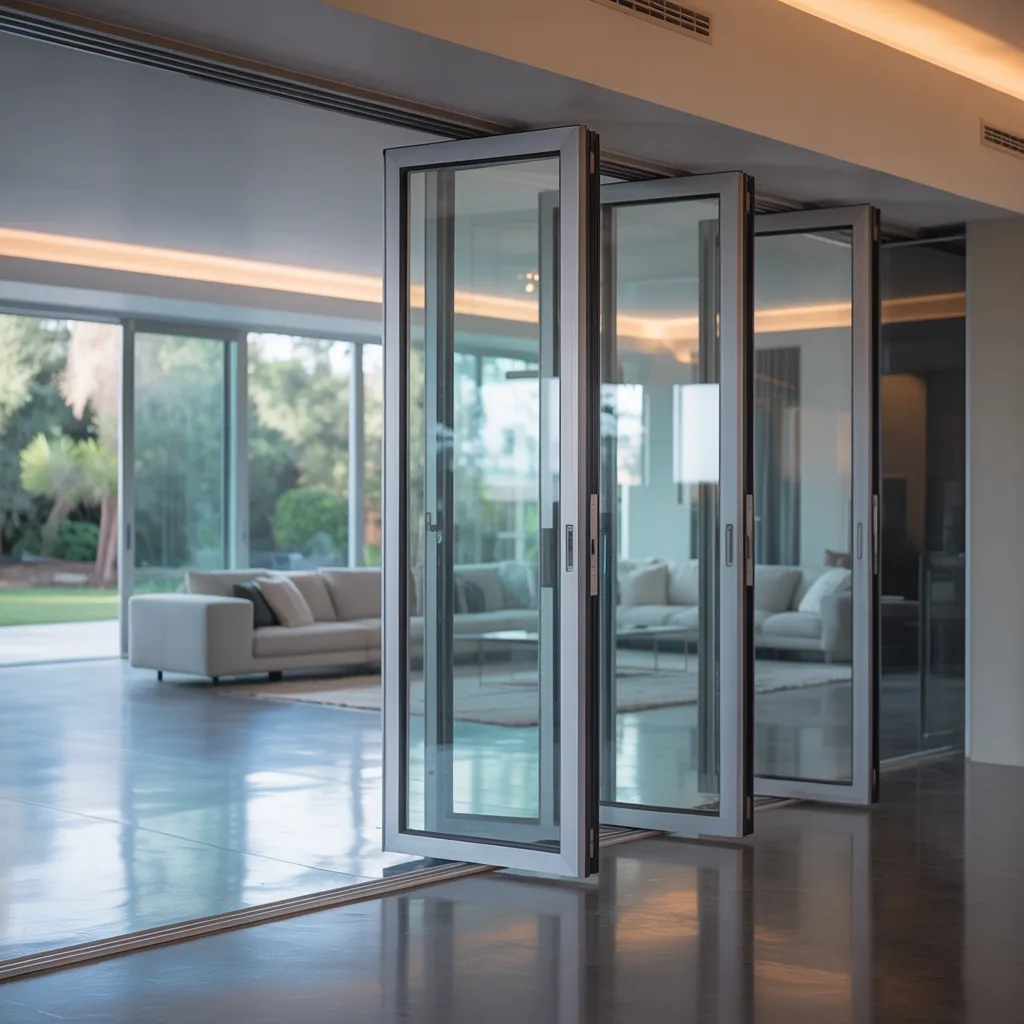
Exploring Bifold Doors: Advantages and Key Features
When considering home renovations, familiarizing yourself with bifold doors is important because of their distinctive advantages and characteristics. Bifold doors are made up of several panels that collapse and gather to one side, forming a wide opening that effortlessly links interior and exterior spaces. This style improves natural light, making rooms seem more spacious and hospitable. They additionally provide versatility, enabling homeowners to modify the space based on their requirements.
In terms of aesthetics, bifold doors present a modern look that can enhance the overall design of a home. Their flexibility means they can be incorporated in various settings, including terraces, eating spaces, and even as space separators. Furthermore, bifold doors typically have robust security features and thermally efficient options, enabling a healthier and more efficient living environment. Ultimately, bifold doors blend functionality with style, making them an excellent choice for any renovation project.
A Comparison of Bifold Door Materials: Wood, Aluminum, and PVC
Selecting the most suitable option for bifold doors is important, as each material—wood, aluminum, and PVC—provides distinct advantages and drawbacks. Wood provides a traditional appearance, warmth, and insulating properties but demands regular maintenance to protect against warping and environmental damage. It is frequently a costlier option and may not be ideal for humid environments.
Aluminum material, by comparison, is recognized for its long-lasting nature and elemental resistance. It needs very little maintenance and is available in numerous finishes, rendering it a contemporary selection. That said, aluminum tends to be less thermally efficient without the inclusion of thermal breaks.
PVC doors are affordable and exceptionally resistant to humidity, making them well-suited for spaces with elevated moisture levels. They need only minimal care but may not offer the aesthetic charm of wood or aluminum. At the end of the day, the material chosen should correspond to the homeowner's financial plan, visual tastes, and unique environmental requirements.
How to Accurately Measure Your Space for Bifold Doors
Precise measurements are essential for ensuring that bifold doors sit perfectly within a designated space. First, the width of the opening must be taken at three different points: the top, middle, and bottom. This addresses any inconsistencies in the wall structure. Next, the vertical measurement should be measured from the ground level to the head of the opening, once more verifying at several locations to confirm consistency.
It is furthermore essential to measure the depth of the space where the doors will be installed, most notably when a frame is needed. Moreover, factor in the arc of movement of the doors upon full opening, making sure there is adequate space for unobstructed movement. Lastly, it is recommended to record any additional features, such as handles or locks, which may affect the overall dimensions. Gathering these exact measurements will ensure an efficient installation and maximize the effectiveness of the bifold doors.
Finding the Best Bifold Door Style for Your Home
Selecting the perfect bifold door option demands careful consideration of the materials available and design aesthetics. Different material options, such as fiberglass, wood, and aluminum, can significantly impact the general appearance and longevity of the doors. Furthermore, the design chosen should enhance the home's architecture and enhance its interior and exterior appeal.
Available Material Options
When considering bifold door options for a residential renovation, being aware of the available material options is important, as each material affects both aesthetics and functionality. Standard materials consist of vinyl, wood, and aluminum.
Natural wood provides an organic warmth and is customizable with various finishes, making it an ideal option for conventional styles. Aluminium, recognized for its strength and longevity, delivers a contemporary appearance with narrow profiles, perfect for modern living spaces. Vinyl material, on the other hand, is low-maintenance and energy-efficient, making it a sensible solution for homeowners looking for cost-effective solutions.
Every material carries its unique benefits and drawbacks, affecting key aspects like insulation, maintenance requirements, and overall longevity. Consequently, choosing the appropriate material is critical for attaining desired performance and style.
Aesthetic and Design Factors
Style is a crucial factor in choosing the ideal bifold door style for a home renovation, as it significantly affects the general look and practicality of a living area. Homeowners must take into account the structural character of their home, whether sleek, timeless, or unique, to achieve coherence. The choice of materials, colors, and finishes also impacts the aesthetic quality; wooden materials bring coziness, while metal delivers a clean, modern aesthetic. Additionally, the scale and arrangement of the bifold doors should match the room's dimensions and layout, boosting both illumination and convenience. In the end, picking a bifold door that harmonizes with the existing decor will enhance the property's visual appeal while delivering real-world value, forming a natural flow between indoor and outdoor environments.
Energy-Efficient Bifold Doors: What to Look For
When selecting high-performance bifold doors, homeowners should prioritize thermal performance ratings to guarantee insulation and energy savings. Furthermore, the selection of frame materials can greatly impact durability and overall efficiency. To conclude, examining different consult this source glazing options will prove beneficial in enhancing natural light while minimizing heat loss.
Thermal Performance Ratings
How can homeowners guarantee that their bifold doors promote energy efficiency? One critical factor is understanding thermal performance ratings, which indicate how effectively a door protects against heat transfer. Homeowners should look for doors with high energy ratings, such as those certified by Energy Star, to ensure optimal performance. The U-factor gauges heat loss, while the Solar Heat Gain Coefficient (SHGC) measures solar radiation absorbed. A lower U-factor denotes better insulation, while an appropriate SHGC can reduce cooling costs in warmer climates. Additionally, consider the R-value, which indicates resistance to heat flow; higher values imply better insulation. By prioritizing these ratings, homeowners can select bifold doors that boost energy efficiency and lead to lower utility bills.
Frame Materials Considerations
Picking the right framing material for bifold doors is crucial for optimizing energy efficiency. Common materials encompass aluminum, wood, and vinyl, with each delivering distinct advantages. Aluminum frames are lightweight and strong, but they may demand thermal breaks to improve insulation. Wood frames offer natural insulation properties and aesthetic appeal but require regular maintenance to guard against warping. Vinyl frames are celebrated for their durability and low maintenance, offering good insulation without the need for painting or staining. When selecting a material, homeowners should evaluate climate, desired thermal performance, and maintenance requirements. Selecting the suitable frame material not only influences energy consumption but also contributes to the overall comfort and sustainability of the home.
Glazing Options Benefits
While choosing bifold doors, property owners should prioritize glazing options as they play a major role in determining energy efficiency and comfort. Double or triple glazing is often recommended, as it delivers improved insulation by cutting heat loss and minimizing cold drafts. Low-emissivity (Low-E) coatings can further improve energy performance by directing heat back inside during winter months and blocking it during summer months. Furthermore, homeowners might explore argon or krypton gas fills between panes, which enhances thermal efficiency. The choice of glazing not only affects energy bills but also impacts condensation levels and overall indoor comfort. By selecting high-quality glazing options, homeowners can guarantee that their bifold doors contribute to a more sustainable and comfortable living environment.
Custom Selection Options: Hardware, Finishes, and Colors
Customization choices play an essential role in the appeal of bifold doors, giving homeowners the ability to create a seamless connection with their current interior design. Multiple finishes, such as aluminum, wood, or vinyl, can improve the overall look while ensuring long-term durability. Homeowners can select from a wide selection of colors, from natural wood tones to bold hues, ensuring that the doors complement or contrast with surrounding elements effectively.
Beyond finishes and colors, hardware selections also play an important role in the complete design. copyrights, handles, and locks can be picked in a variety of styles and materials, such as matte black, brushed nickel, or antique brass, allowing for further personalization. Such decisions not only boost functionality but also add to the visual appeal of the bifold doors. By thoughtfully choosing these details, homeowners can craft bifold doors that reflect their unique style and enhance their home's atmosphere.
DIY vs. Professional Installation: What You Need to Know
When considering the installation of bifold doors, homeowners frequently debate whether to attempt the job on their own or engage a professional. A DIY approach can be attractive for those who want to reduce expenses and engage in a hands-on project. That said, it demands a strong knowledge of carpentry and the appropriate tools. Mistakes can lead to misaligned doors and costly repairs.
Conversely, engaging a professional secures a smooth installation with professional expertise and hands-on experience. Experts are equipped to manage unexpected issues, such as structural issues or custom measurements, delivering a sense of security. They commonly provide warranty coverage, offering additional peace of mind.
Ultimately, the decision depends on the homeowner's skill level, budget, and time constraints. Individuals with home improvement experience may prefer to tackle the project themselves, while others may choose to invest in professional help for a hassle-free experience. Evaluating both options carefully will lead to the best choice for the specific renovation project.

Frequently Asked Questions
What Impact Do Bifold Doors Have on Home Resale Value?
Bifold doors are known to increase a home's resale value by improving aesthetic appeal and increasing natural light. Prospective buyers frequently value the smooth transition between interior and exterior areas, rendering properties equipped with bifold doors more attractive to buyers in today's competitive housing market.
Are Bifold Doors a Good Choice for Small Spaces?
Bifold doors are certainly a great choice for compact spaces, as they provide an effective solution for making the most of limited space. Their design permits versatile access configurations, creating an illusion of space while enhancing natural light and accessibility.
What Maintenance Do Bifold Doors Require Over Time?
Bifold doors require consistent upkeep, including cleaning tracks, applying lubrication to the copyrights, and checking seals for wear. Inspecting for damage and maintaining proper alignment supports optimal functionality and increases the longevity of the doors.
Can You Fit Bifold Doors into Existing Frames?
Bifold doors can commonly be fitted within existing frames, as long as the dimensions and structural integrity meet the necessary requirements. Some adjustments may be necessary, ensuring a secure fit and ideal functionality for seamless operation.
What Are Common Issues With Bifold Doors?
Typical problems with bifold doors involve misalignment during installation, operational difficulty caused by debris or wear, insufficient sealing that results in drafts, and potential damage from humidity or extreme weather conditions affecting the materials used.